
Sustainability
At Yul, sustainability begins with people, place, and respect. We believe that the future of the Indian Himalayas depends on protecting both its biodiversity and its cultural heritage. Every decision we make is guided by a commitment to honour indigenous knowledge, strengthen women-led livelihoods, empower artisan communities, and create thoughtfully, with care for both people and the planet.

The number of days for an artisan takes atleast to finish one handwoven rug
30
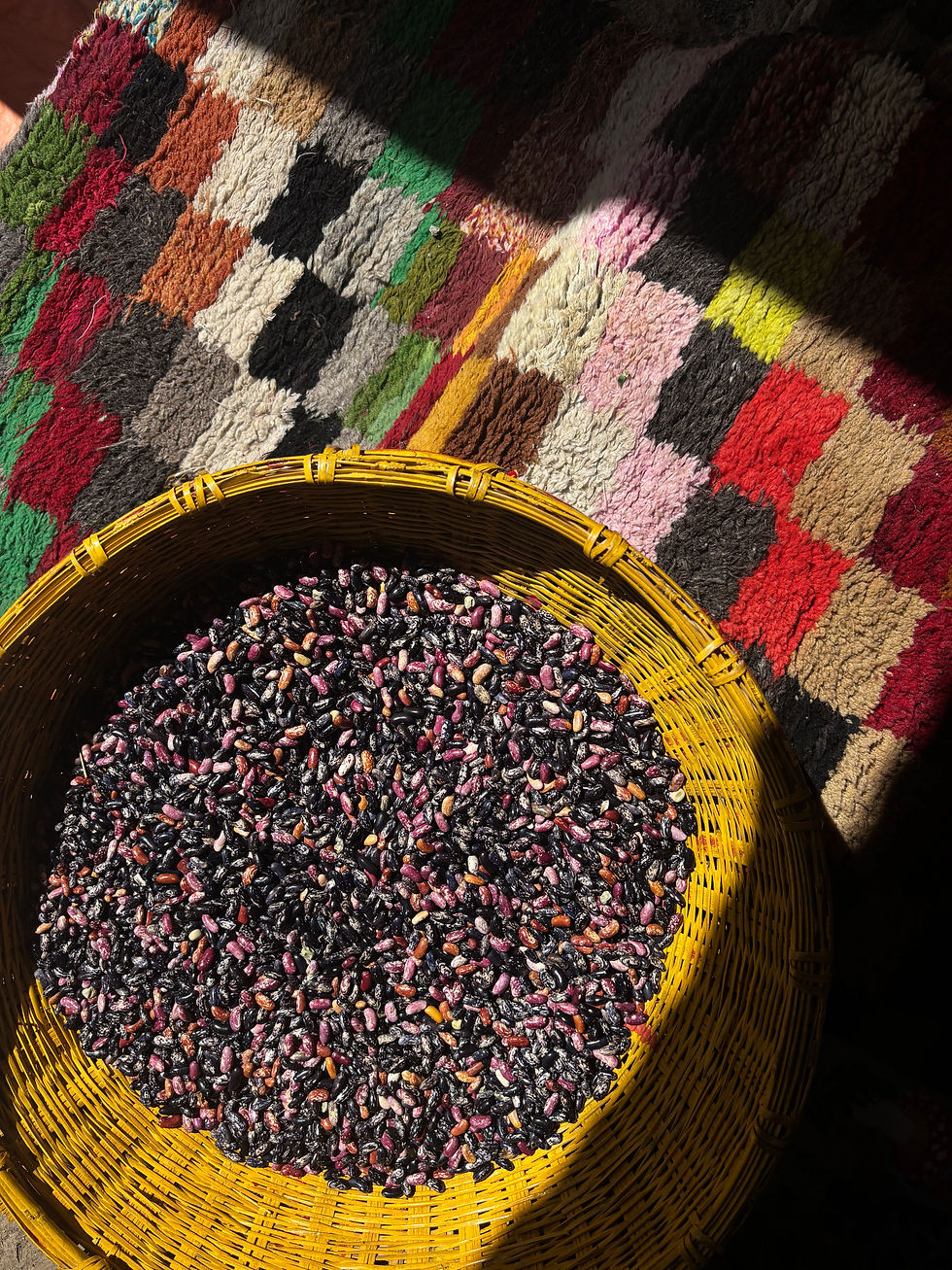
A commitment to bring together the number of villages and Tribal crafts
50

Rooted in a century of mountain tradition, each rug is a humble continuation of the oldest known heritage. From wool purified in glacial streams to the final hand-knot, it is an archival piece of history—a story 100 years in the making...
80

Menstrual Dignity for Rural Himalayan Women
With every hand-knotted rug, Yul sponsors one year of biodegradable sanitary pads for an artisan through Astitva Wellness. To date, we have supported 12 women with access to eco-friendly menstrual products. By promoting safe menstrual health and replacing conventional plastic-based sanitary pads, we aim to improve well-being while reducing plastic waste in the remote Himalayan villages where we work.

Cultural Impact
We actively document ground knowledge and oral traditions during our field visits, carefully archiving memories that are at risk of being lost.
Alongside this, we are building MOOL, an open-source digital archive stewarded by communities themselves. A living knowledge system shaped by the people it belongs to.
By supporting and reviving ancestral crafts, techniques, and stories rooted in place, we help restore pride in local identity and ensure generational wisdom continues to live, evolve, and be carried forward.

Environmental Impact
Our practices are rooted in ecological responsibility. By working with regenerative, indigenous materials and techniques such as local sheep wool, ringal bamboo, copper, natural fibres like hemp, nettle, and bhimal, along with natural dyes and decentralized, low-impact production methods, Yul aligns craft with the natural rhythms of the Himalayas, protecting both culture and biodiversity.

Economic Impact
Yul strengthens local economies by building sustainable, craft-based livelihoods in Himalayan villages. Working with over 30 women across the Chamoli district, we enable decentralised, home-based income through ethical market access and long-term skill development, reducing dependence on migration and extractive industries.